
Selling your home can seem complicated, particularly if it has been several years since you last moved.
There are estate agents, solicitors, buyers, surveyors and mortgage lenders to deal with, not to mention finding somewhere new to live yourself.
Understanding the process beforehand makes everything considerably easier.
If you’re thinking about selling a house in Kettering or the surrounding area, here’s what you can expect from the initial valuation through to handing over the keys.
Step 1: Find Out What Your Property Is Worth
The logical starting point is a property valuation.
An estate agent will visit your home and assess factors including its location, size, condition, layout, outside space and improvements.
They should also consider comparable properties and current buyer demand.
A valuation is also an opportunity for you to interview the estate agent.
Ask how they would market your home, what asking price they recommend and why, and what happens once you instruct them.
Step 2: Choose Your Estate Agent
Don’t make your decision solely on the highest valuation or cheapest fee.
Your agent will potentially be responsible for marketing one of your most valuable assets.
Look at the quality of their existing property marketing.
How good is their photography?
How do they describe properties?
Do they use social media and digital marketing?
How will they manage enquiries and viewings?
What happens after an offer is accepted?
Most importantly, do you feel confident entrusting your sale to them?
Step 3: Instruct a Solicitor or Conveyancer
You will need a solicitor or licensed conveyancer to handle the legal side of the sale.
You can appoint them when the property goes onto the market rather than waiting for an offer.
Getting the initial paperwork underway early can help avoid unnecessary delays later.
Your conveyancer will eventually deal with matters including title information, contracts, enquiries from the buyer’s solicitor, exchange of contracts and completion.
Step 4: Prepare Your Home for Sale
You don’t need to transform your home into a show house.
However, presentation matters.
Decluttering can make rooms feel larger and help buyers imagine their own belongings in the property.
Deal with obvious minor repairs, clean thoroughly and make the entrance and outside areas presentable.
Try looking at your home as though you’re seeing it for the first time.
That first impression begins before a buyer reaches the front door.
Step 5: Photography and Marketing
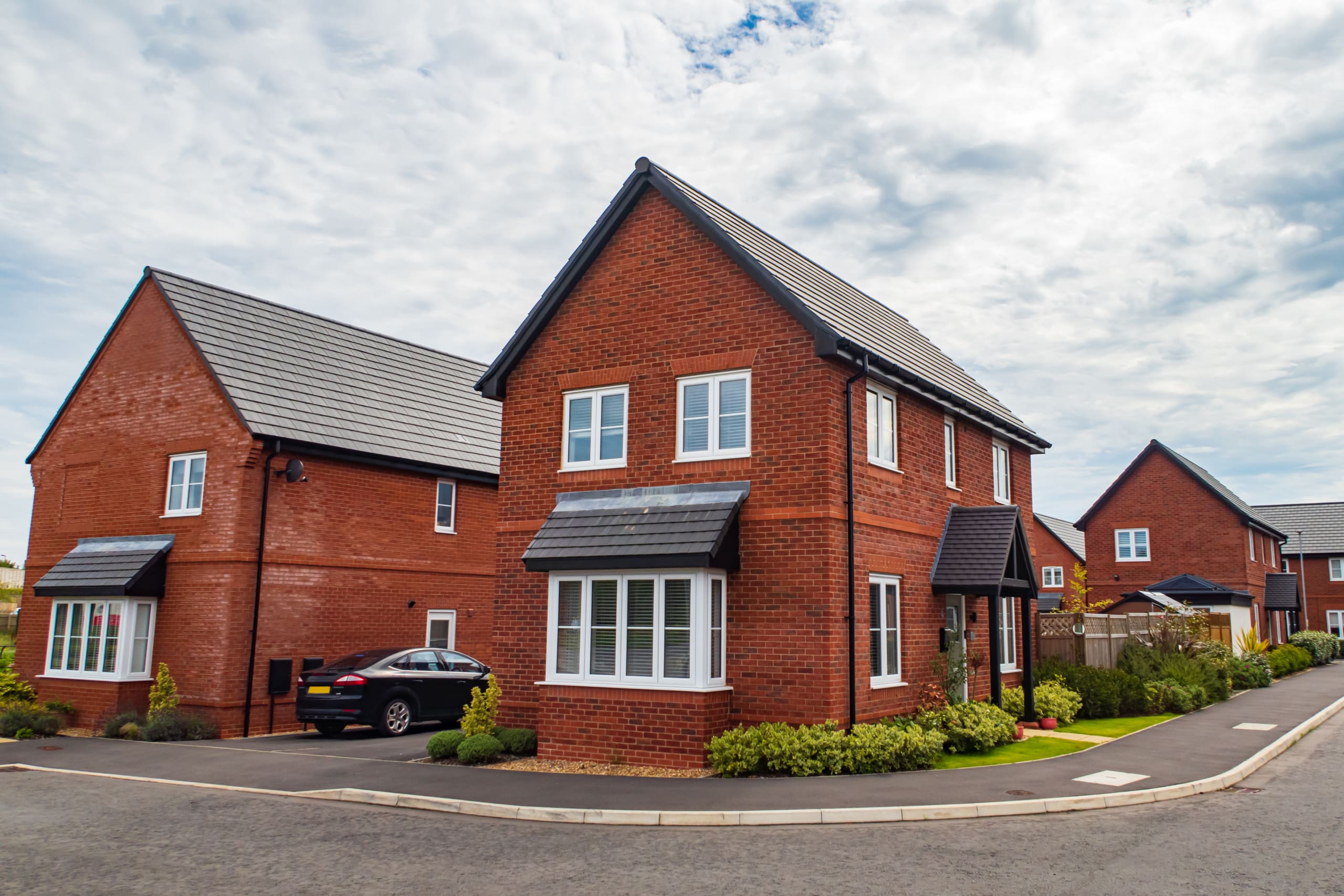
Once your property is ready, your estate agent will prepare the marketing.
Photography is particularly important because your online listing will often determine whether somebody books a viewing.
Good property marketing should communicate the home’s strongest features and give buyers enough information to decide whether it could suit them.
Depending on the property and marketing strategy, this may include photography, floorplans, property descriptions, portal listings, website promotion and social media content.
Step 6: Your Property Goes Live
Once you’ve approved the details, your home can be launched onto the market.
This is where pricing and presentation come together.
Prospective buyers will compare your property with other homes available within a similar budget.
The initial period after launch can be particularly useful for gauging buyer response.
Strong enquiry and viewing levels indicate that the combination of property, presentation and price is resonating with the market.
If there is little response, your agent should discuss why rather than simply allowing the listing to sit unchanged.
Step 7: Viewings Begin
Some sellers prefer to conduct their own viewings while others would rather their estate agent handle them.
There are advantages to accompanied viewings.
Buyers can sometimes feel more comfortable discussing their thoughts with an agent, while the seller doesn’t have to organise their day around every appointment.
Afterwards, feedback should be gathered wherever possible.
Don’t become discouraged by individual comments. Buyers have different priorities.
Instead, look for patterns.
If several viewers raise the same issue, it may be something worth addressing.
Step 8: You Receive an Offer
When a buyer makes an offer, your estate agent will pass it to you.
You can accept it, reject it or negotiate.
Price is important, but you should also consider the buyer’s circumstances.
A slightly lower offer from a buyer in a strong position can sometimes be more attractive than a higher offer involving a complicated chain.
Your estate agent should establish as much information as possible about the buyer’s position and help you make an informed decision.
Step 9: The Sale Is Agreed
Once you accept an offer, the property will normally be recorded as sold subject to contract.
The legal process now begins in earnest.
Details of the transaction are sent to the relevant solicitors, and the buyer will progress their mortgage arrangements if they require finance.
This is the point at which good communication becomes extremely important.
Step 10: Survey and Mortgage Valuation
A buyer obtaining a mortgage will normally need the lender to assess the property.
The buyer may also arrange their own survey.
Depending on the type of survey, this may identify repairs or issues requiring further investigation.
A survey doesn’t automatically mean the buyer will attempt to renegotiate.
Most homes have maintenance issues of some description.
If a genuine problem does arise, your estate agent can help keep communication between the parties constructive.
Step 11: Conveyancing and Enquiries
The buyer’s solicitor will review the legal information relating to the property and raise enquiries.
Searches will also normally be undertaken on behalf of the buyer.
This part of the process can sometimes feel frustrating because relatively little appears to be happening from the seller’s perspective.
Behind the scenes, however, several parties may be working through documentation, mortgage requirements and enquiries.
If you’re part of a chain, the sale may also depend upon progress elsewhere.
Step 12: Sales Progression
This is an often overlooked part of an estate agent’s job.
Once the property is sold subject to contract, somebody needs to keep track of what is happening.
That can involve communicating with the buyer, seller, solicitors, mortgage brokers and other estate agents within the chain.
Problems don’t always require complicated solutions.
Sometimes they simply require somebody to identify what is causing a delay and make sure the right person deals with it.
Regular sales progression can therefore be invaluable.
Step 13: Exchange of Contracts
Once the legal work is complete, mortgage arrangements are in place and everybody in the chain is ready, contracts can be exchanged.
At this point the transaction becomes legally binding.
A completion date is agreed as part of the process.
You should take advice from your conveyancer about the legal implications and when it is safe to make firm moving arrangements.
Step 14: Completion Day
Completion is the day ownership officially transfers to the buyer.
Your solicitor will deal with the transfer of funds and confirm when completion has taken place.
Keys can then be released to the new owner.
And that’s it.
The property has officially been sold.
How Long Does Selling a House Take?
There isn’t a single answer.
Some transactions are relatively straightforward, while others involve long property chains, mortgage delays, surveys or complicated legal enquiries.
Your own circumstances can also affect the timescale.
Rather than focusing entirely on an average number of weeks, concentrate on preparing properly, choosing a good buyer and ensuring the transaction is actively progressed once the sale is agreed.
Should You Sell Before You Find Your Next Home?
This depends on your circumstances.
Some homeowners begin searching immediately, while others prefer to secure a buyer first.
Being under offer can put you in a stronger position when making an offer on another property because the seller can see that your own move is already progressing.
Your estate agent can discuss the options with you based on current market conditions and your circumstances.
Ready to Sell Your Home in Kettering?
Selling a property involves considerably more than putting it onto a property portal.
From establishing the right asking price and presenting your home effectively to negotiating offers and progressing the transaction, every stage contributes to the final outcome.
Brennan Bespoke provides a modern, personal approach to selling homes throughout Kettering and the surrounding area, combining local property knowledge with effective digital marketing.
If you’re thinking about moving, your first step is simple.
Arrange a free, no-obligation property appraisal with Brennan Bespoke and let’s find out what your home could achieve.